
In the bustling marketplaces of Nassau, the vibrant shops of Freeport, and the family-run gems across our islands, Bahamian business has always been built on one thing: The Experience. We know how to treat a customer when they walk through our physical doors. We offer a smile, local knowledge, and that “true-blue” Bahamian hospitality. But as we move into 2026, a massive shift has occurred. Your “front door” is no longer just on Bay Street or Queen’s Highway—it’s on a smartphone screen.
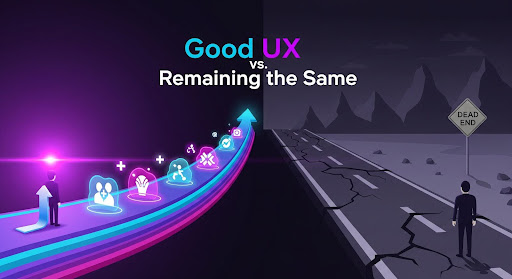
The question for Bahamian entrepreneurs is no longer, “Do I have a website?” It’s, “Does my digital experience treat my customers as well as I do in person?” This is the essence of User Experience (UX) Design.
For too long, local businesses have settled for “static” websites—digital business cards that look okay but don’t do much. In a globalized economy where a customer in Abaco can just as easily order from a giant international retailer as they can from a local store, “good enough” is a recipe for losing market share.
If your mobile app is slow to load or your checkout process is confusing, you aren’t just frustrating a customer; you are effectively closing your door in their face.
Investing in high-quality UX isn’t just a “tech thing”; it’s a strategic business move tailored to our unique regional landscape.
Investing in high-quality UX isn’t just a “tech thing”; it’s a strategic business move tailored to our unique regional landscape.
At Cloud10 UX, we often tell our partners that every $1 invested in UX can yield a return of up to $100. Why? Because UX is grounded in empathy. It’s about mapping out the journey of a Bahamian mother trying to pay a bill online while managing her household, or a tourist trying to book an excursion on a spotty data connection. When you design for their reality, you win their loyalty.
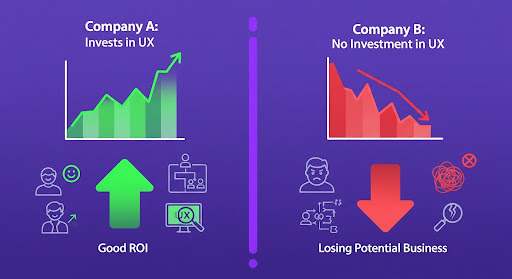
As we look toward the remainder of 2026, the businesses that will dominate the Bahamian market are those that view technology not as an expense, but as an extension of their service.
The Pros of investing now: * Competitive Edge: Most of your local competitors are still using outdated systems. Being the “easy” choice makes you the “obvious” choice.

At Cloud10 UX, we combine research, strategy, and clean design to create products that work beautifully and deliver measurable impact.
Copyright © 2026. All Rights Reserved.